How to Build a Renovation Budget You Can Hold
Most renovation budgets fail at the edges: permits, temporary kitchens, and the small decisions made after work starts. Here is how to plan for them.
A renovation budget is not a single number at the bottom of a spreadsheet. It is a set of decisions about scope, sequence, and risk, and it has to survive contact with a real building. The owners who stay in control are rarely the ones with the biggest budget; they are the ones who priced the whole job before the first wall came down. This guide shows how to build a renovation budget in layers and where the money usually escapes.
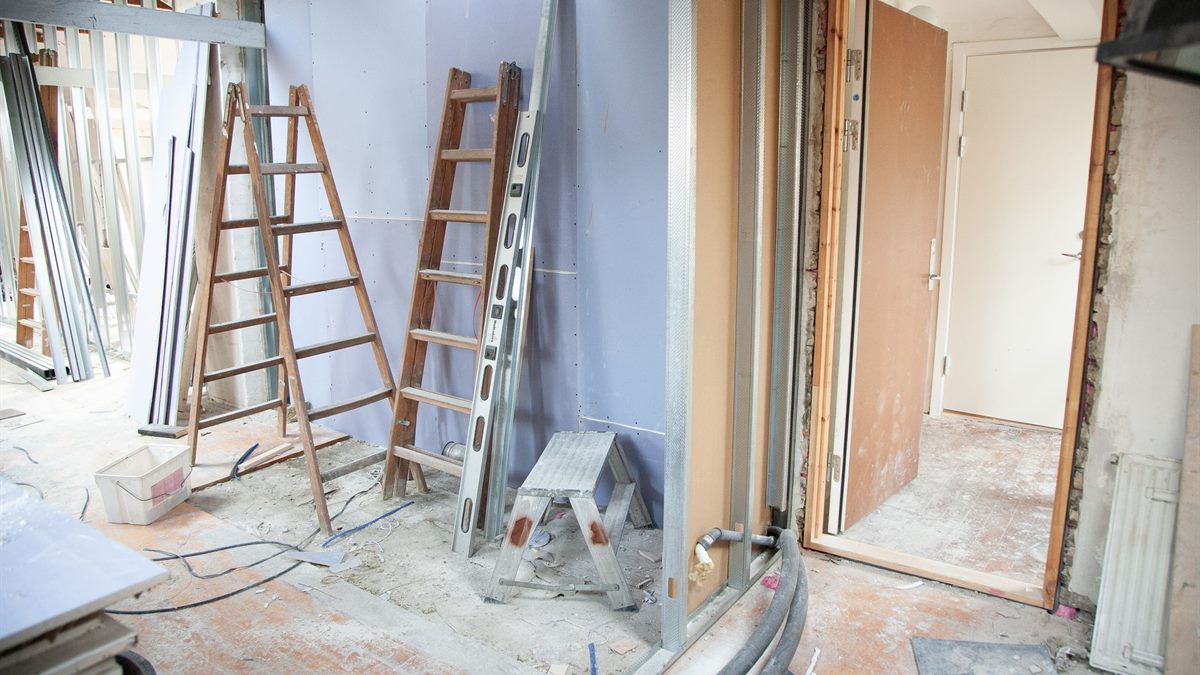
Separate the project from the wish list
Begin with two lists. The first is the work the house needs: structural repairs, waterproofing, electrical safety, heating, and anything that is failing. The second is the work you want: a new kitchen, a different layout, better finishes. The needs list comes first because it is not optional, and it will change the amount left for the wants.
Walk the property with a notebook and note the condition of the roof, gutters, walls, floors, windows, and services. If the building is old, assume there will be hidden repairs behind at least one wall. A budget that has no room for surprises is not a budget; it is a hope.
Build the renovation budget in layers
A practical plan groups the total into four layers. The percentages below are planning guides, not rules, and they should be adjusted once you have quotes.
- Design and permissions: drawings, structural calculations, planning or building permits, and surveys.
- Construction: labour, materials, demolition, temporary protection, and waste removal.
- Contingency: a reserve for hidden damage, delays, and price changes.
- Finishing and furniture: lighting, window coverings, flooring, and the items that make the room usable.
A common starting point is to keep 10 to 20 percent of the construction cost as contingency. Older buildings, structural work, and live-in renovations justify the higher end. If the contingency is spent in the first week, the scope was probably wrong.
Price the work, not the headline
A single quote for a kitchen or bathroom is difficult to compare with another. Break each quote into the same categories: demolition, first fix, plastering, cabinetry, worktops, tiling, second fix, and decoration. Ask each contractor to state what is included and, more importantly, what is not. The cheapest quote often excludes waste removal, temporary electrics, or making good after other trades.
Get at least three itemised quotes for significant work, and check that they describe the same specification. A lower price for thinner worktops or a different tile is not a like-for-like comparison. In older homes, allow for lead-safe work practices before sanding or removing old paint; the EPA lead guidance explains why testing and containment belong in the budget rather than in the contingency.
If the property was built before the 1970s, include an allowance for lead paint and asbestos checks before disturbing walls or ceilings. The EPA lead information explains why testing comes before sanding or demolition.
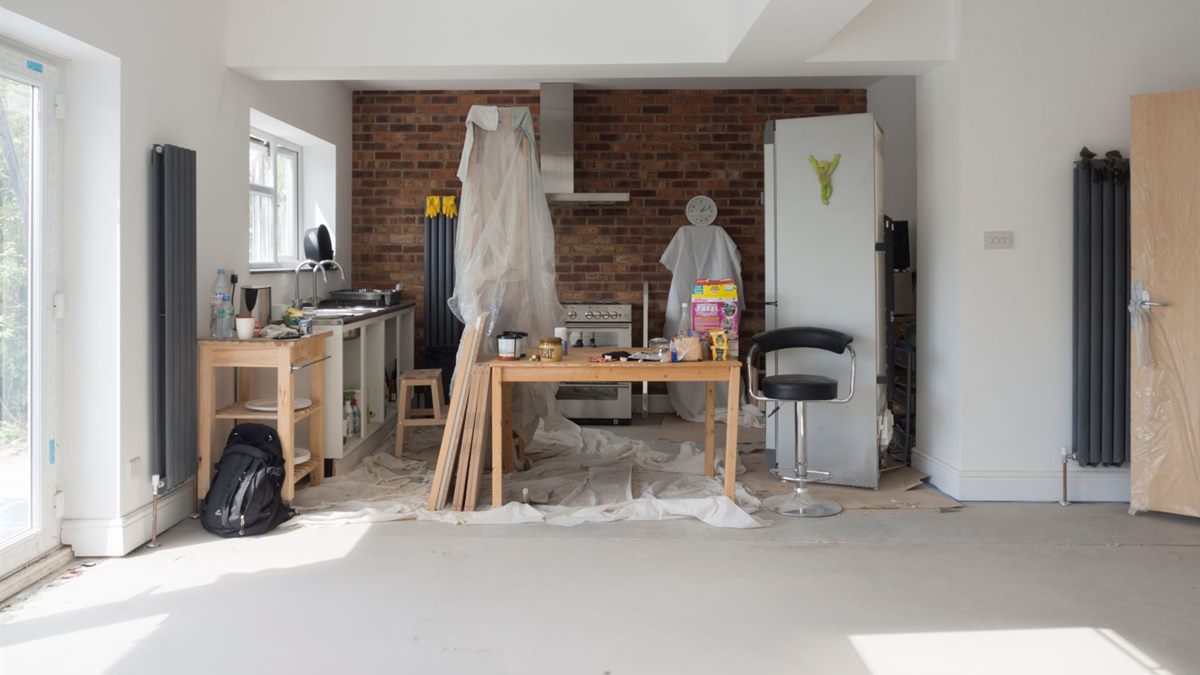
Set a contingency you do not touch
The contingency is not a shopping fund for nicer taps. Treat it as money that belongs to the building until the job is finished. Keep it in a separate account and release it only for work that could not reasonably have been foreseen. If the job ends without using it, that is a successful project, not a reason to upgrade the appliances.
There is a second, smaller reserve worth keeping: a finish reserve for the decisions that always appear late, such as extra sockets, a different door handle, or a delivery charge. Small overruns are normal; unplanned small overruns are what make people borrow money at the end.
Payment schedules and cash flow
Never pay the full cost of a stage before the work is done. A fair schedule links payments to progress: a deposit for materials, then payments at agreed milestones, with a final balance after snagging is complete. Put the schedule in the contract and keep receipts for every payment.
Cash flow matters as much as the total. If you are living in the house during the work, add the cost of temporary arrangements: eating out, a temporary kitchen, storage for furniture, and extra cleaning. These are real costs and should sit in the budget rather than appear as a surprise.
Where budgets usually break
- Changing the layout after work has started.
- Choosing finishes before the construction quote is fixed.
- Forgetting permits, waste removal, and making good.
- Underestimating the cost of living on site.
- Accepting the lowest quote without comparing scope.
- Spending the contingency on upgrades before the risky work is finished.
Keep the plan visible
Use one spreadsheet for the whole project and update it weekly. Record quoted, committed, and paid amounts separately, and note the date of each change. When a decision adds cost, decide what it replaces rather than simply adding it to the total. A renovation budget stays useful only while it is honest. For the sequence of work itself, our kitchen remodel timeline explains the order that keeps trades from undoing each other. Our seasonal maintenance checklist covers the smaller jobs that protect the finished work.
Frequently Asked Questions
What percentage of a renovation budget should be contingency?
A common starting point is 10 to 20 percent of the construction cost. Older buildings, structural work, and projects where you stay in the house usually need the higher end of that range.
Should I choose finishes before getting quotes?
Choose the specification before comparing quotes, or ask each contractor to price the same list. Otherwise the quotes are not like-for-like and the cheapest one may exclude work you still need.
How should payments to a contractor be scheduled?
Link payments to completed stages rather than paying everything upfront. Keep a final balance until snagging is finished, and record every payment in the contract.
What costs do homeowners forget in a renovation budget?
Permits, waste removal, temporary protection, storage, eating out, cleaning, and making good after trades are commonly missed. Add them before work starts rather than at the end.